Mental health and social isolation –
the Be Well programme
Strengthening connection and wellbeing across South London communities
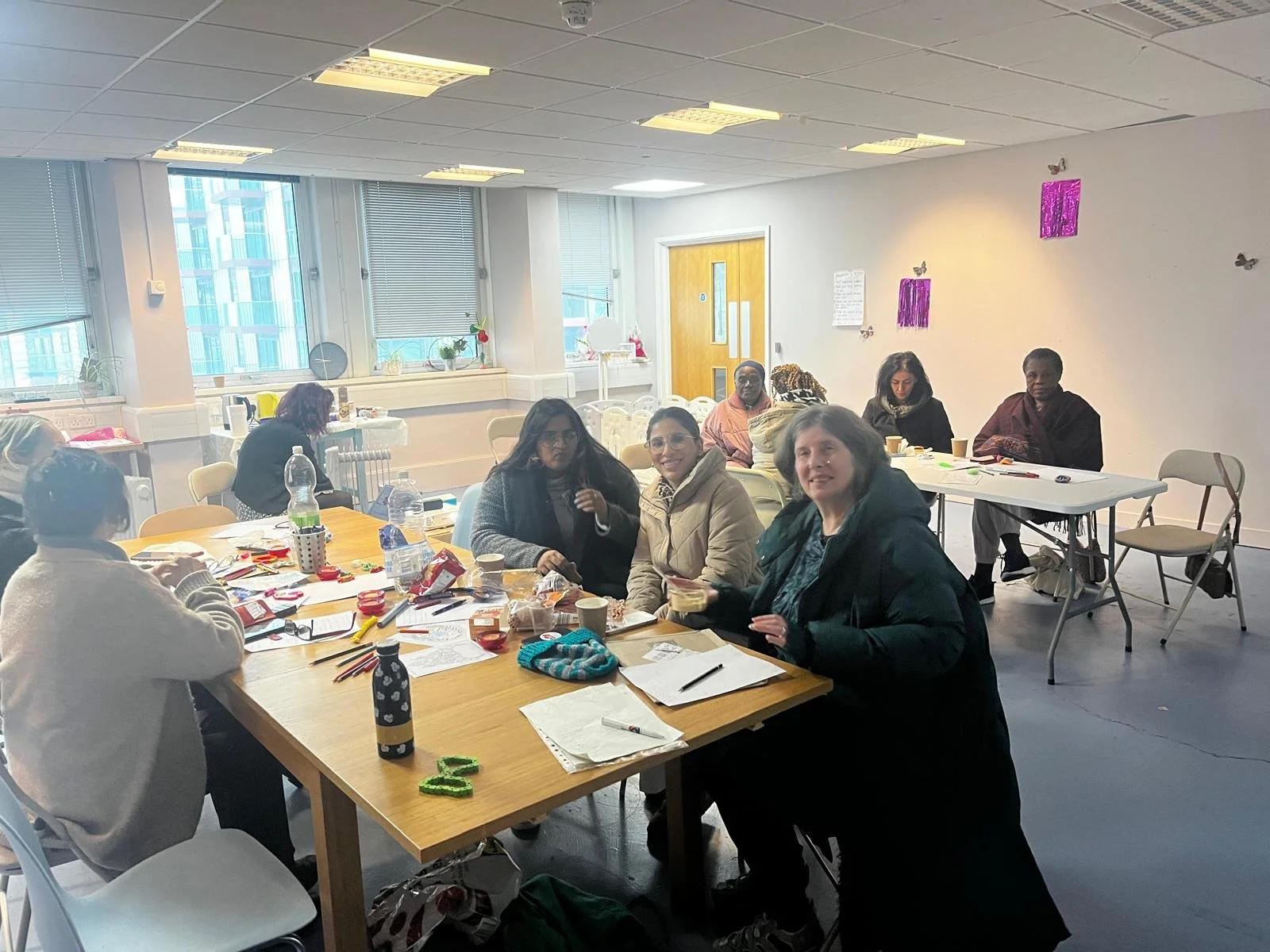
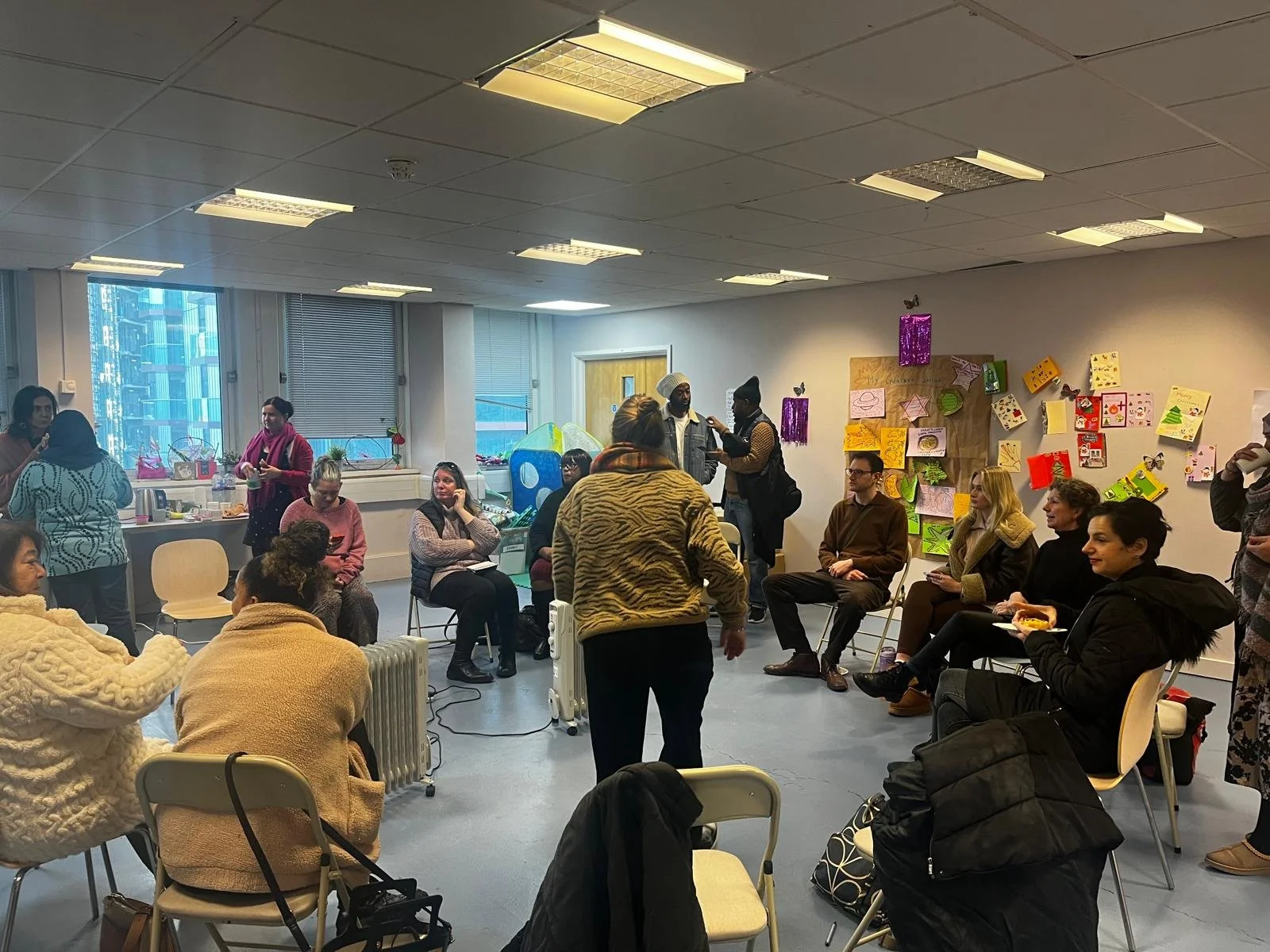
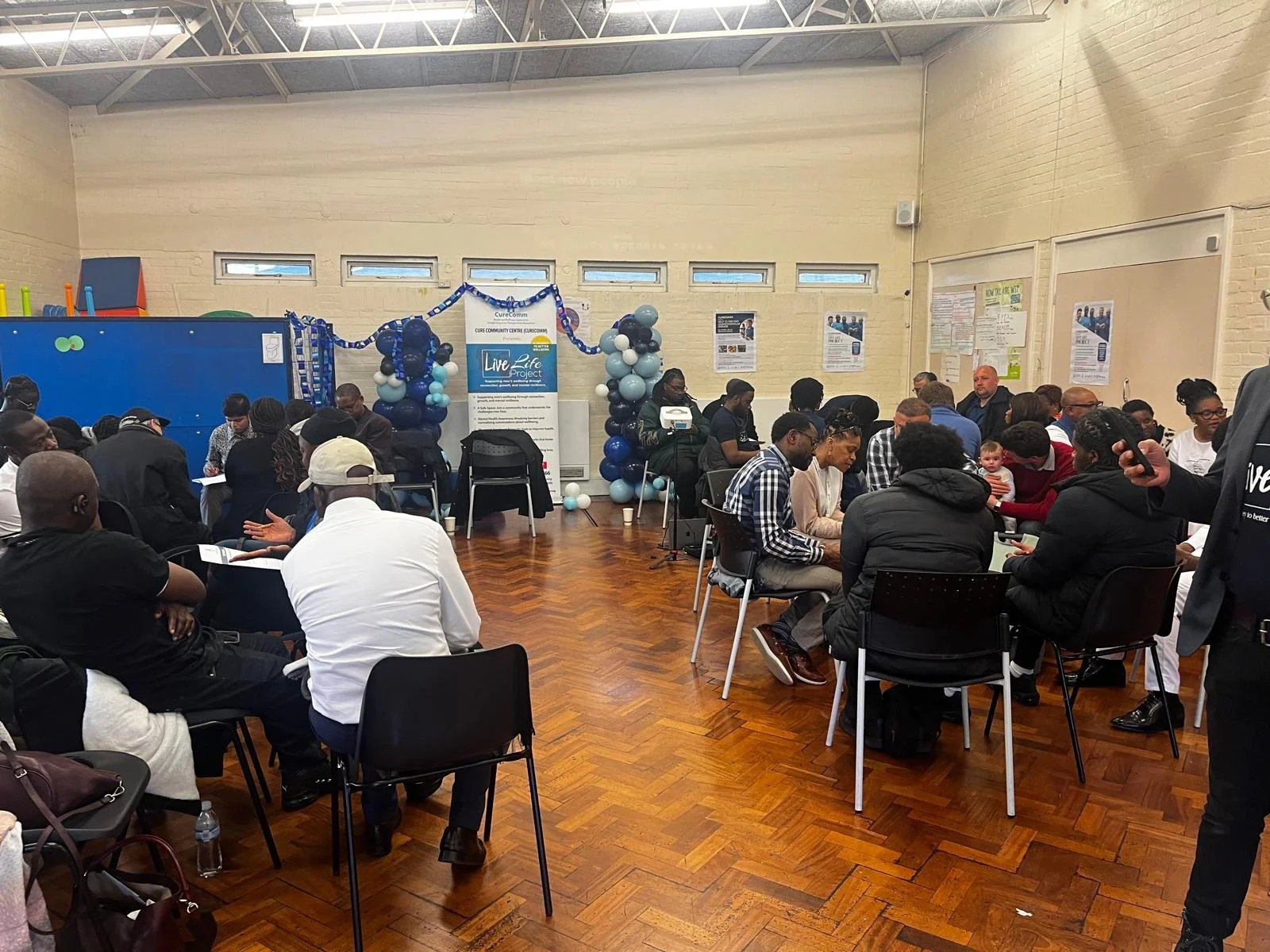
In 2025–2026, the Be Well programme continued to grow as a powerful community‑driven movement, rooted in the simple but transformative idea that everyone deserves a safe, trusted place to talk, connect and find support. As part of South London Listens, Be Well exists to tackle loneliness, isolation and poor mental health by providing early support through trusted community organisations and strengthening the wider conditions that support health and wellbeing.
This year, the programme expanded its reach, strengthened its training and support offer, deepened partnerships across health and local systems, and delivered meaningful impact for thousands of community members. What follows is a snapshot of our shared progress, made possible by community leaders, NHS partners, councils and local organisations working side‑by‑side for change.
Growing a strong and connected
Be Well community
Be Well has continued to scale across South London, ensuring more residents could access help in familiar, stigma‑free environments. This year:
104 Be Well sites are now established, with a further 48 in development, forming one of the largest community‑based wellbeing networks in the south London.
600 trained Be Well Mental Health Champions offered support within community organisations, including churches, schools, community centres and grassroots groups.
These champions, together with their organisations, supported an estimated 5,000 people every month across South London –a 75% increase from 3,000 a month in 2024-2025.
Training that builds confidence, skills and leadership
High‑quality, accessible training remains central to Be Well’s impact, including:
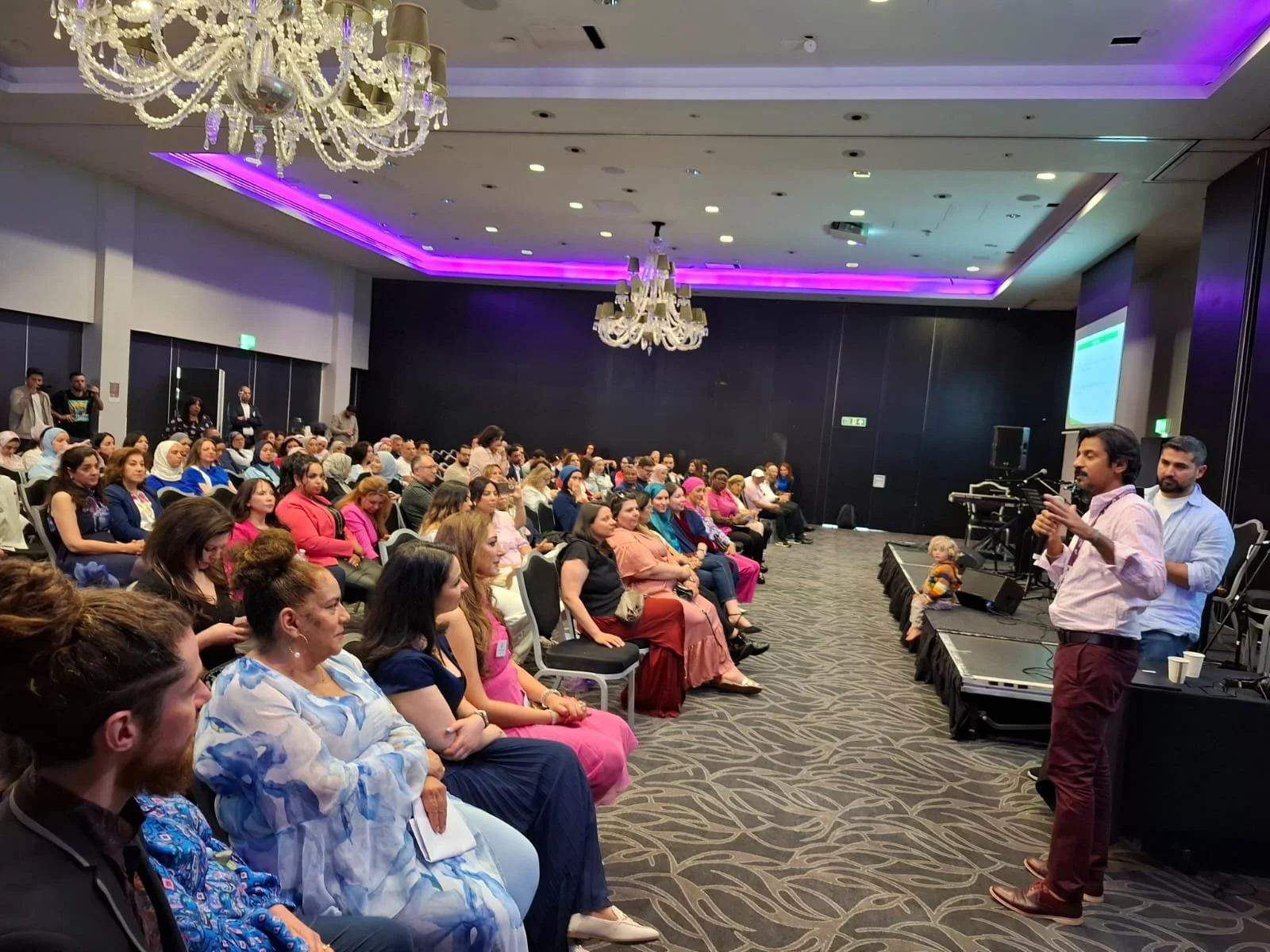
A one‑day Mental Health Champion training for all new sites, focused on listening skills, trauma‑informed practice, safeguarding and signposting.
A four‑hour community organising workshop, equipping leaders with the skills to effectively listen to their communities and take collective action.
Additional training for 115 community members, with 96.3% of attendees rating the course good or excellent, and 93.4% reporting increased confidence in holding mental health conversations and challenging stigma.
The first ever delivery of Be Well mental health training in Arabic, and parallel sessions in Spanish for Latin community hubs.
Community leaders consistently told us these opportunities improve not only the support they provide, but their personal wellbeing and confidence.
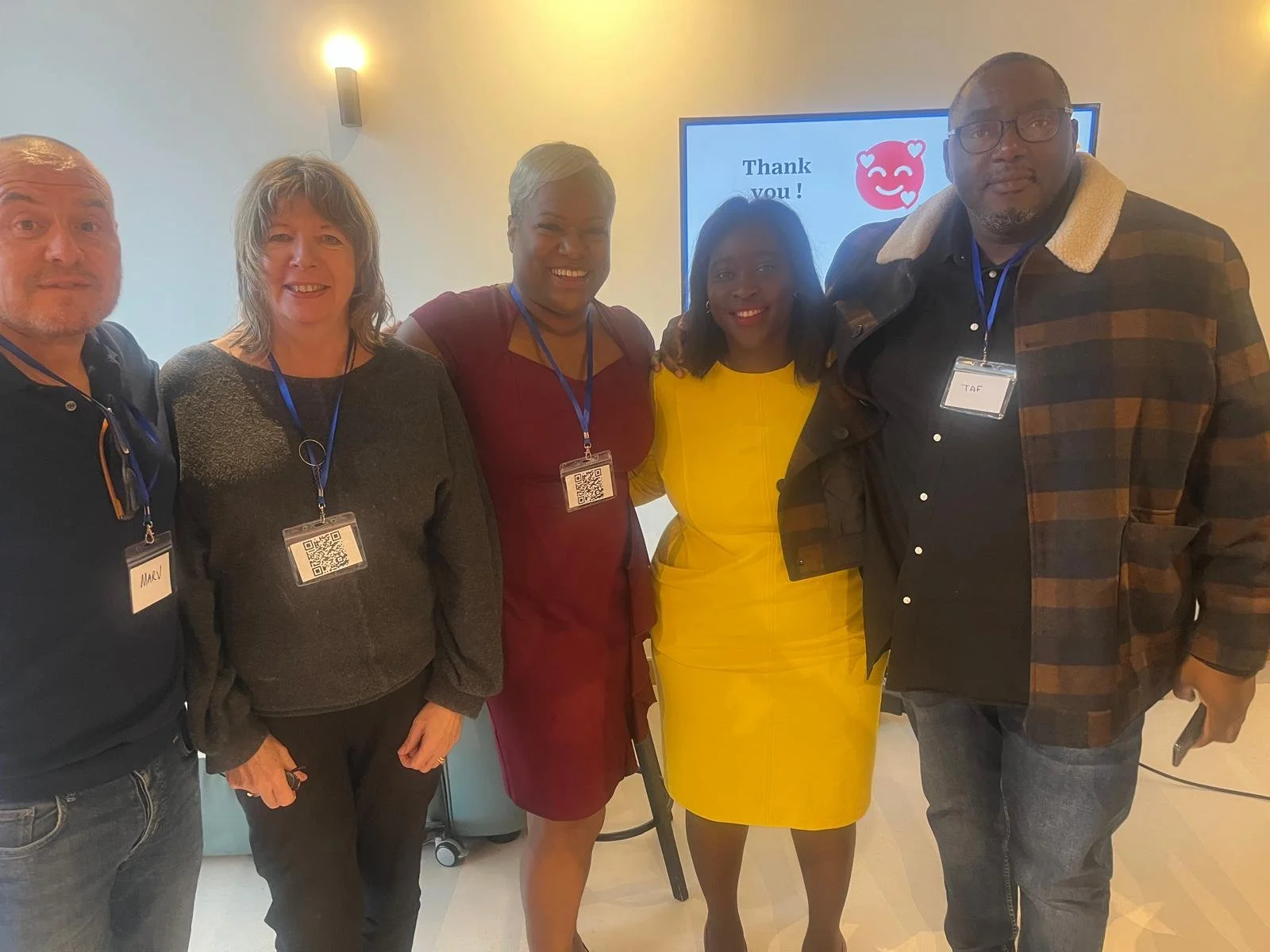
“My involvement with the Be Well programme has created a deep sense of belonging, renewed confidence, and the space to grow… When communities are supported, listened to and empowered, real and lasting change is possible.”
— Sasha Gay Smith, Founder and CEO, I Am In Me, Lambeth
Training in Arabic and Spanish was co‑produced in direct response to community feedback—ensuring people could learn and express themselves in the language where they feel understood.
“Healing begins when people feel seen, heard and understood in their own language and context.”
— Enas Elghrouri, Be Well Leader, Atlas for Humanity
Expanding Be Well into schools
Be Well has seen significant progress in supporting children, young people and school staff. Through a new training programme in Lewisham and Greenwich, 260 school staff were trained as Be Well champions. The offer brought together trauma‑informed practice, community organising, and the expertise of local Mental Health Support Teams.
The impact was immediate and tangible: “The training created thought‑provoking moments that have already begun breaking down barriers to learning.”
— School Leadership Team, Lewisham & Greenwich
Schools reported deeper understanding of trauma, more supportive ways of working with pupils, and renewed commitment to supporting their most vulnerable pupils.
Building strong, diverse and collaborative networks
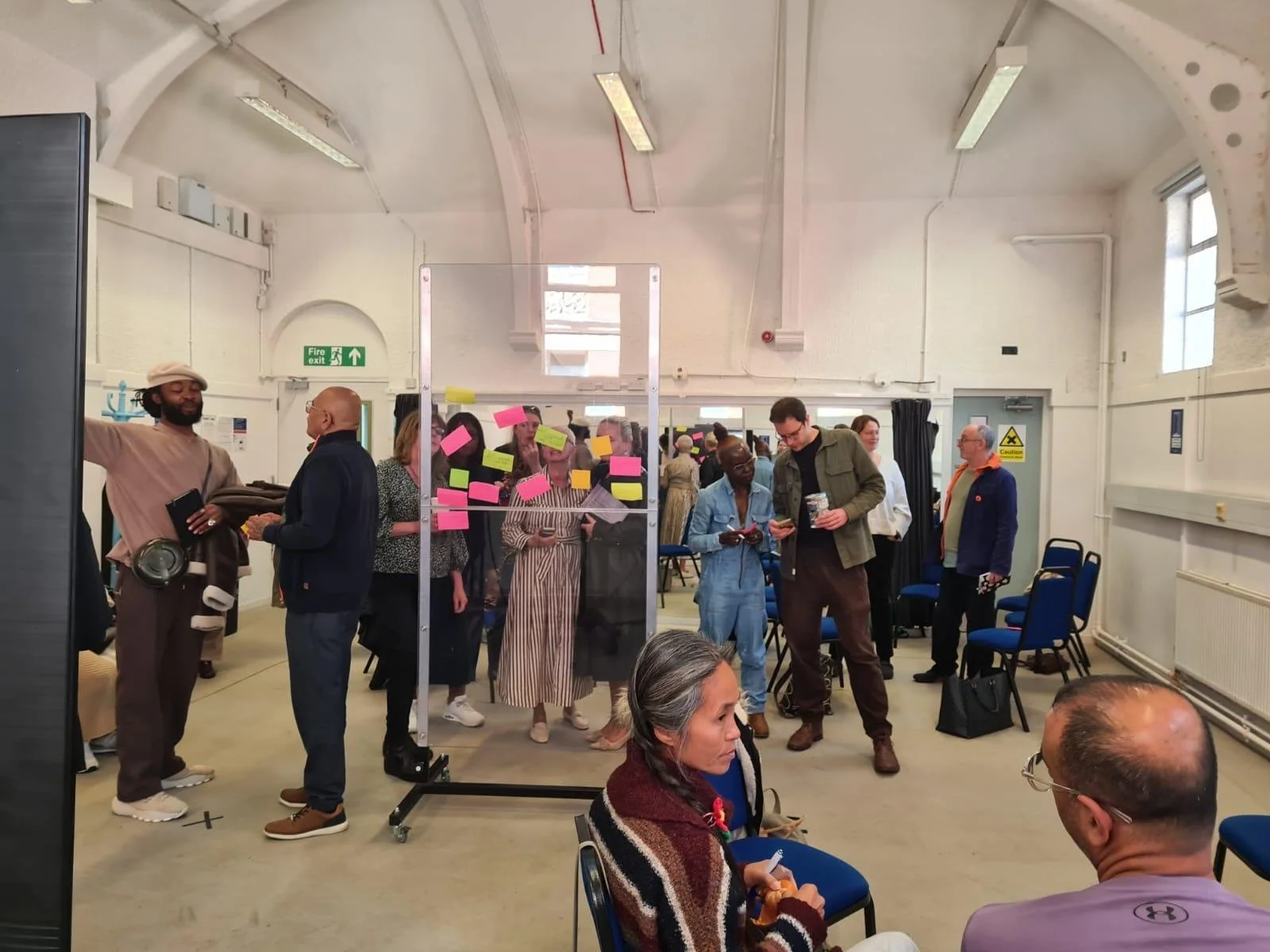
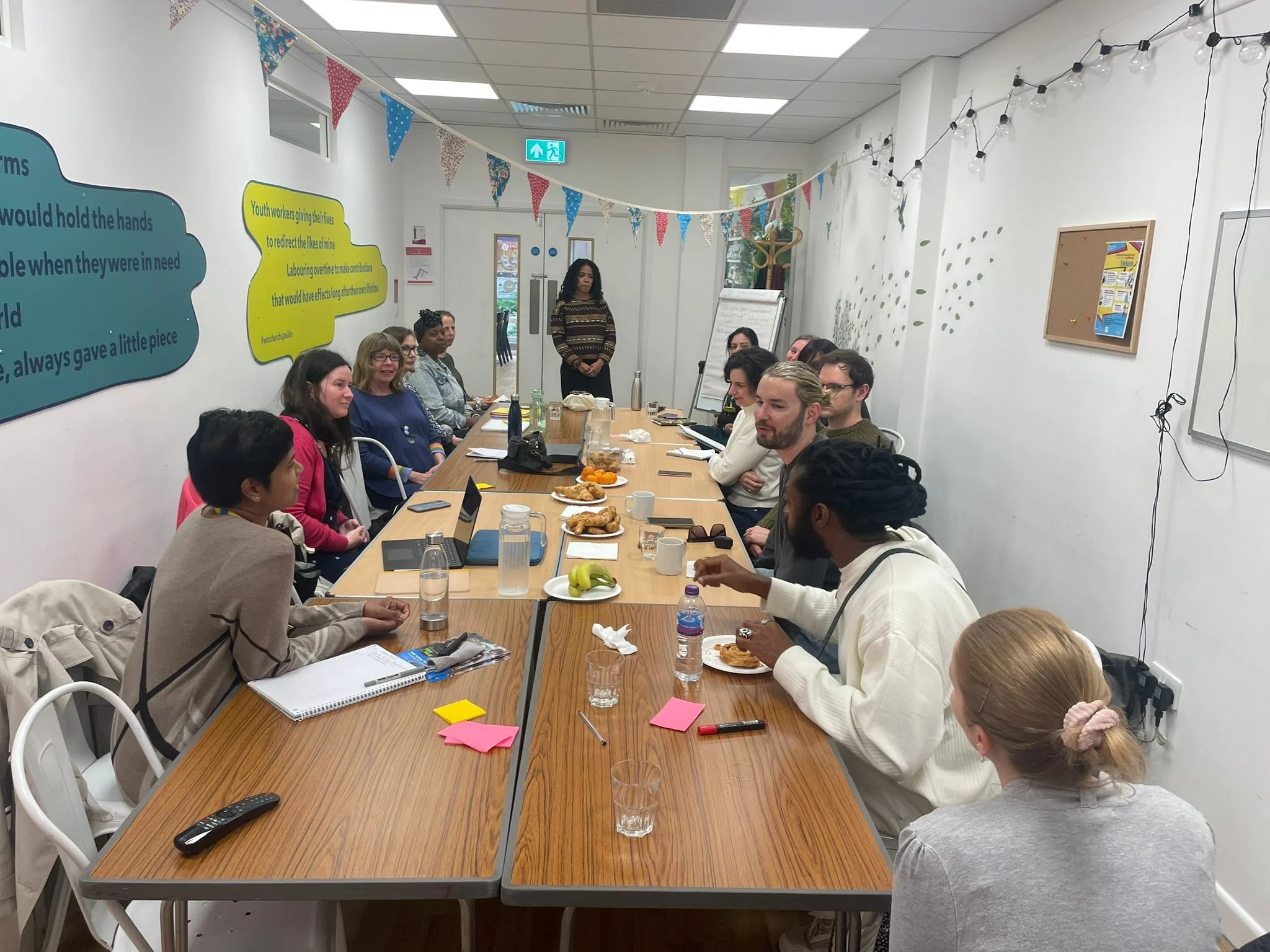
Be Well sites repeatedly affirm how valuable it is to connect with peers, share learning and collaborate. The Greenwich Be Well network is a standout example: a thriving space where community leaders, public health teams, local authorities and voluntary partners come together to improve mental wellbeing at a borough‑wide level.
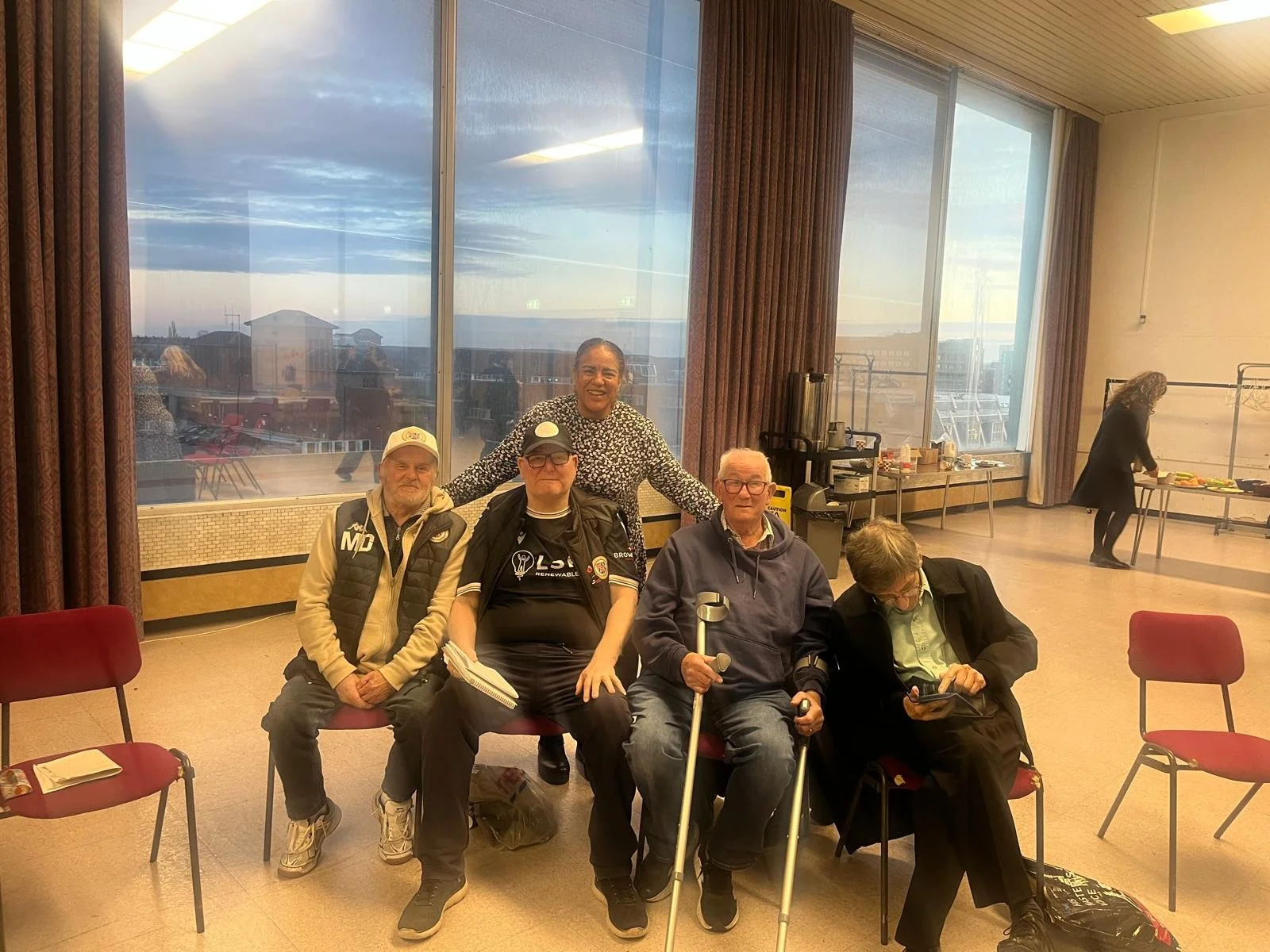
The impact was immediate and tangible: “The training created thought‑provoking moments that have already begun breaking down barriers to learning.”
— School Leadership Team, Lewisham & Greenwich
Public health partners also highlighted the power of these networks:
“Be Well has empowered grassroots organisations to take meaningful action… It is now a cornerstone of our future approach to creating a healthier and happier Greenwich.”
— Robin Clarke, Senior Public Health Manager
Based on this success, new Be Well networks will be expanded across more boroughs in the coming year – with a launch in Bexley taking place in April 2026.
Bridging community and professional Support
A major achievement this year was the deepening integration between community‑led Be Well sites and NHS mental health, physical health and social care services. Examples include:
Time to Talk teams delivering mental health workshops within Be Well hubs.
Oxleas and Greenwich Public Health providing physical health awareness sessions for Chinese and Vietnamese communities.
New partnerships ensuring culturally attuned ADHD support for Latin parents, delivered through a collaboration between the SLaM Recovery College, clinicians and parent trainers.
Parents who attended the new Spanish‑language ADHD course shared feelings of empowerment and relief:
“Hearing it in my own language made me feel more connected… I really valued learning from other parents.”
— Parent participant
Supporting community organisations through small grants
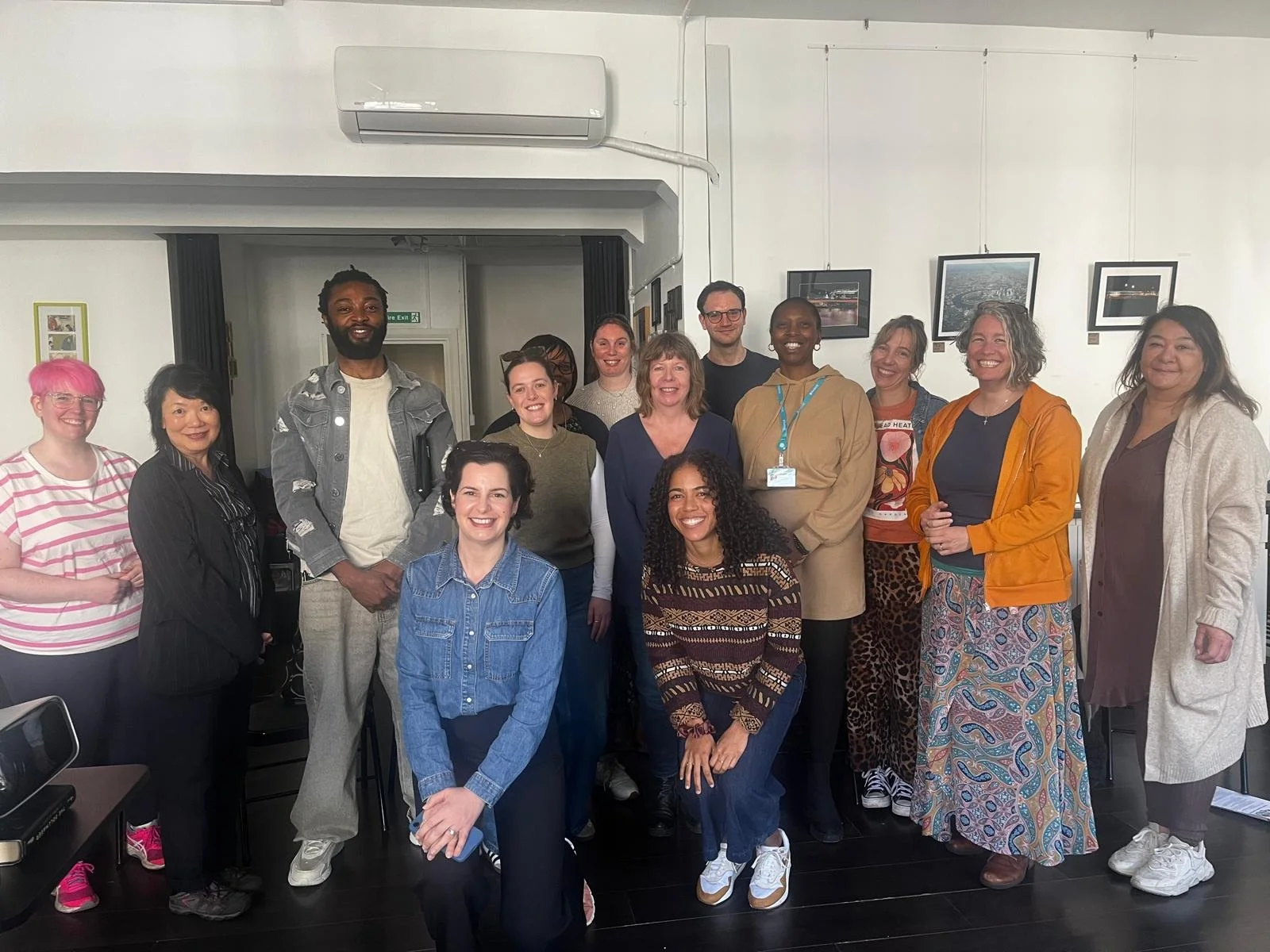
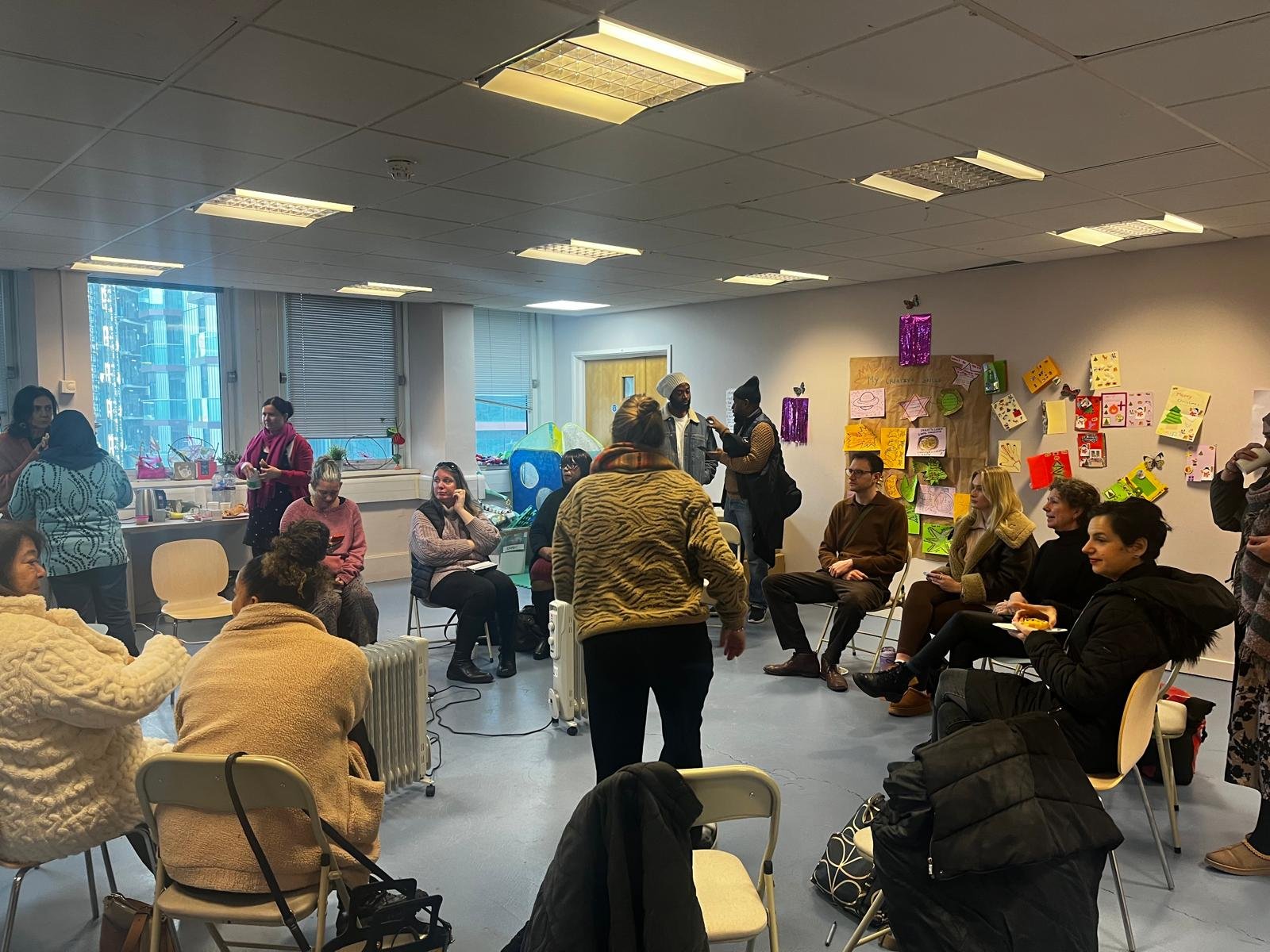
At the end of 2025, Be Well microgrants supported a diverse and vibrant range of community-led wellbeing initiatives across all South London boroughs. We provide grants of up to £800 for our Be Well sites to help organisations in enhancing their current Be Well offer, and in some cases expand it.
While the projects differ in scope, several clear themes emerged across the funded organisations. The projects prioritised culturally rooted wellbeing, supporting Latin American, Black, Muslim, migrant, Hong Konger and neurodivergent communities through creative, culturally familiar activities that foster safety, connection and belonging. Strong support for families and young people was central, with programmes strengthening relationships, developing youth leadership and equipping parents to help children facing Special Education Needs, trauma and social pressures. Schools, faith spaces and community centres anchored much of this work. Grants also expanded mental health literacy and leadership, training volunteers and residents as wellbeing champions. Many organisations provided practical, barrier removing support, including digital inclusion, shared referrals, health fairs and trauma informed services.
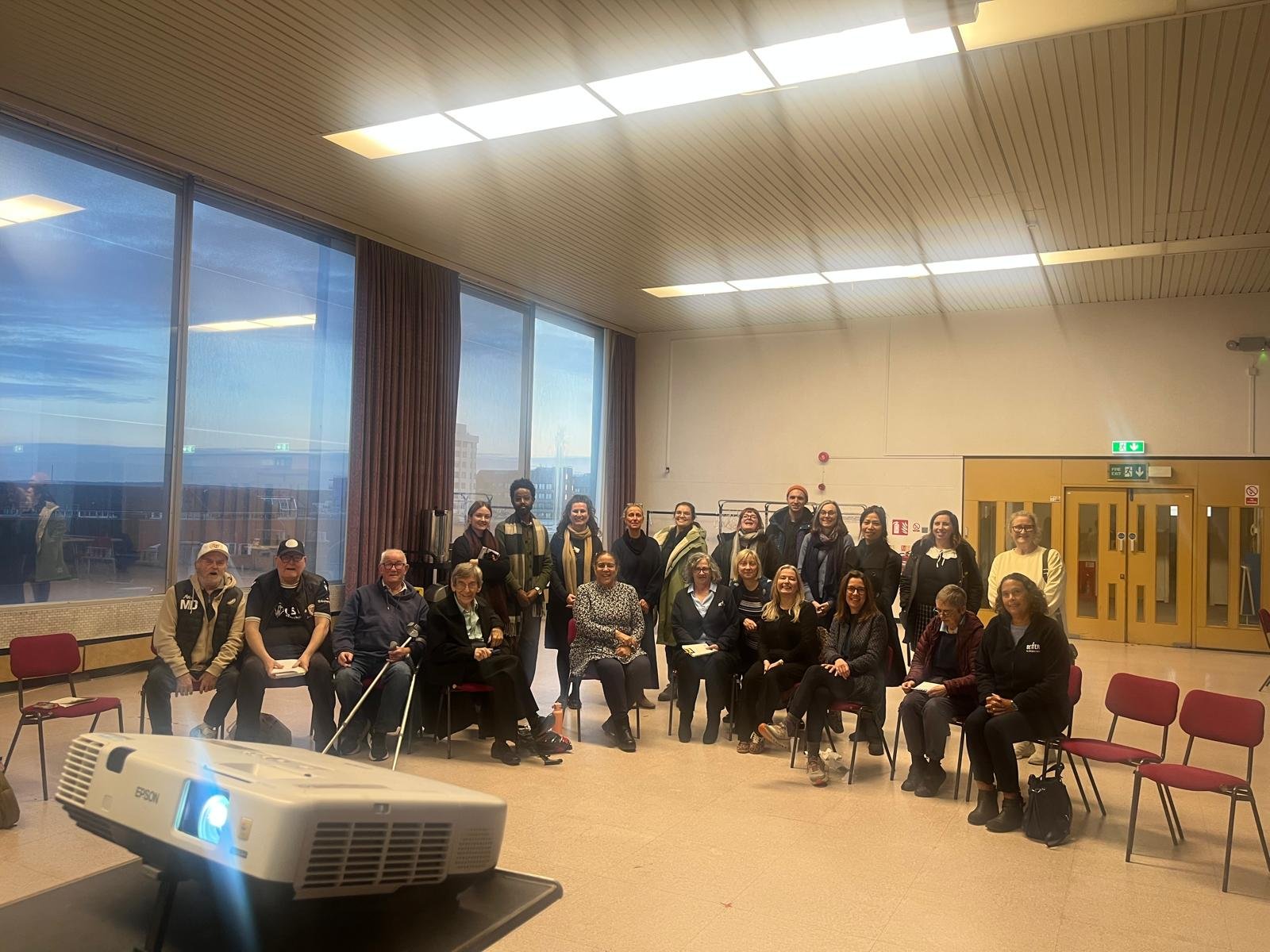
As one Be Well leader shared:
“The right mentor doesn’t add layers—they help you take them off. What I walked away with was trust in my own voice.”
— Croydon Be Well Leader
What leaders say makes Be Well work
The Be Well independent evaluation carried out by the social enterprise and research organisation Renaisi was published in July 2025 highlighted three core enablers that continue to shape the programme:
Tailored wrap around support that builds organisational confidence and capacity.
High-quality training that strengthens leaders’ ability to support mental health.
Strong networks and ecosystem ties that bring communities and decision makers together.
Looking ahead
Be Well will continue to strengthen training, expand opportunities for leaders to collaborate, deepen integration with local health systems, and build action on health inequalities.
The goal remains clear: to create communities where everyone feels connected, supported and able to thrive.
Why this matters
By providing trusted community-based support, Be Well strengthens social connection, improves access to local help, and addresses the wider determinants that contribute to poor mental health, enabling earlier intervention and prevention.