
Health and Housing

Tackling the health impacts of the housing crisis through Community leadership and mobilisation and system partnership.
Safe, secure housing is the foundation of good health. Across South London, thousands of residents have told us how poor housing conditions, rising costs, and insecure tenancies negatively impact their physical and mental wellbeing. These everyday pressures, such as mouldy rooms, unsafe homes, and families moved repeatedly between temporary accommodations, are not just housing challenges; they have serious consequences for people’s health and wellbeing
That’s why South London Listens, together with community leaders, NHS partners and local authorities, has been working to change the systems that sit at the heart of the housing and health crisis.
This year, through the Health and Housing Coalition, significant progress was made. From beginning work to unlock NHS land for affordable homes to improving housing‑related health pathways, expanding digital inclusion, and strengthening advocacy, the programme has grown into a strong example of how community insight can shape system change and address the wider determinants of health.
Building a Coalition for Change
The South London Health and Housing Coalition was established to turn community concerns into tangible action by bringing together senior leaders from NHS South East London and NHS South West London, alongside community representatives. The Coalition includes NHS and local authority leaders from all 12 South London boroughs, making it one of the strongest cross-system partnerships focused on the intersection of health and housing.
This Coalition is rooted in a community‑led process. Through online and in‑person workshops, community leaders shaped the programme’s core priorities, which now guide action across South London. These include:
Using NHS and public land to create more affordable and social homes.
Strengthening the health system’s role in identifying and supporting people with housing‑related health needs.
Exploring modular and temporary housing solutions for homeless residents and patients awaiting discharge.
Improving housing advocacy within health settings.
Addressing digital exclusion, including access to WiFi in temporary accommodation.
These priorities address the concerns raised in earlier South London Listens listening campaigns, where over 4,000 residents shared how housing affects their health, their safety, and their ability to thrive.

Unlocking NHS Land for social and affordable housing
One of the Coalition’s boldest ambitions is harnessing the NHS’s role as an “anchor institution” to support more affordable housing. This year, key steps were made:

NHS site reviews across South London identified key parcels of land with potential for housing development.
Oxleas NHS Foundation Trust began to co-develop proposals with community leaders to explore sites for community use, including housing
NHS South West London and NHS Property Services committed to working with Merton Council and local leaders on repurposing vacant nursing units at the Birches site in Mitcham to provide temporary accommodation, supporting both immediate community need and longer-term redevelopment planning.
These steps demonstrate a growing commitment to use NHS assets in ways that directly address housing need and reduce health inequalities. This is an ambition strongly reflected in South London Listens' housing priorities.
Strengthening housing-related health pathways
South London communities repeatedly told us how difficult and confusing it can be to navigate housing issues through health services. People in damp or dangerous homes often bounce between GPs, hospitals, and councils seeking solutions, without clarity on who can help. To address this, the Coalition established a working group to standardise and simplify the process for identifying and raising housing related health needs.
This year, the working group:
Reviewed current GP processes, identifying communication challenges and barriers, including addressing instances where residents were charged for letters from their GP.
Developed a set of clear communications and guidance for GP staff, local authorities, and residents to help ensure that the right, free-of-charge information is given to support housing requests.
Developed a GP resource pack, including process flow charts, primary care guidance, leaflets for the public, and text/email content to improve accessibility and clarity.
A broader workstream is also emerging to explore how housing advocacy can be embedded more deeply within health settings, supporting people whose health is already affected by poor housing.
Tackling digital exclusion in temporary accommodation
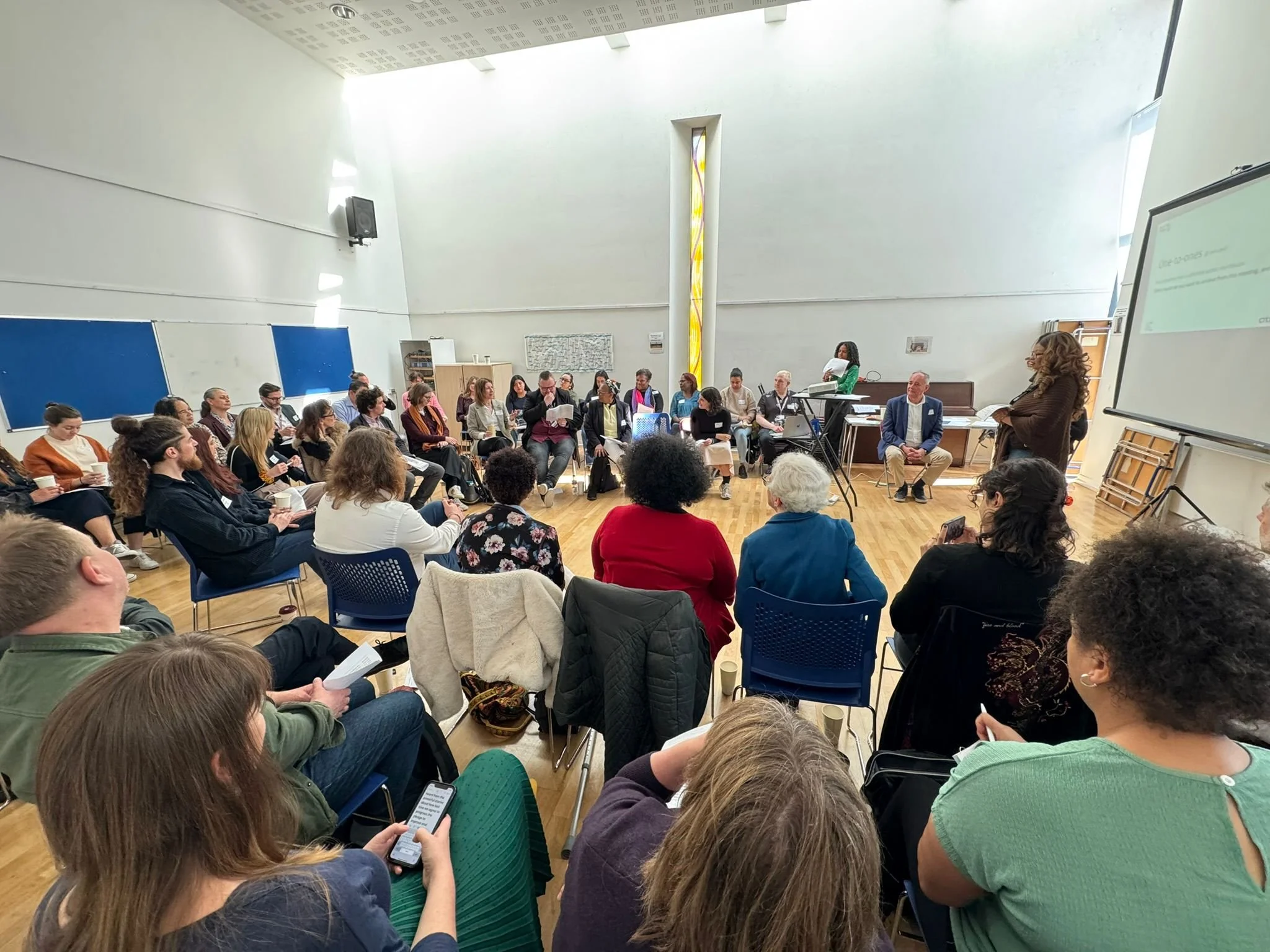
Access to WiFi is no longer a luxury: it is essential. People need reliable internet access for applying for jobs, managing benefits, staying connected with loved ones, and accessing digital health services. Yet many residents living in temporary accommodation cannot afford consistent internet access, deepening existing inequalities.
In 2025-2026 community leaders have worked with local authority partners across South London to champion the free provision of WiFi in temporary accommodation, as part of a wider Citizens UK project.

This work has included:
Celebrating and building on previous commitments from Lewisham and Greenwich Councils
Working with Southwark Council to secure confirmation that the policy will be implemented
Commitment from leaders in Southwark and Greenwich to work collectively with neighbouring boroughs to support wider adoption across South London in 2026.
Digital connectivity is a key enabler of health equity. It helps families to navigate services, maintain stability, and stay informed and it remains a priority as we move into the next year of work.

Looking ahead
Through the Health and Housing Coalition, South London Listens will continue to work alongside partners to:
Expand housing information and advocacy within health services, specifically focused on supporting new neighbourhood teams.
Support councils and NHS organisations to use land in ways that deliver more social and affordable homes.
Strengthen cross‑borough collaboration on digital inclusion.
Build community leadership and mobilisations of residents can influence decisions about their housing and health.
Why this matters
Housing is a major determinant of health. This work helps address the causes of poor health earlier, supports more effective neighbourhood partnership working, and reduces the impact of housing-related issues on NHS services.