Access to services
for migrants and refugees
Making healthcare fairer and more inclusive
Migrants and refugees often face barriers when trying to register with a GP or access mental health support. Language barriers, complex systems, fear and discrimination can all make it harder to get the right care.
Through South London Listens, communities told us that access to services was a top priority. Working alongside NHS partners, we are taking action to remove barriers and create more welcoming, inclusive services.
Community Embedded Practitioner
An important development this year been the full-time establishment of our Community Embedded Practitioner (CEP) model in Lewisham Refugee and Migrant Network (LRMN). This places a South London and Maudsley NHS Foundation Trust (SLaM) mental health nurse directly in the community to reduce barriers to care for refugees, migrants and asylum seekers.
The CEP pilot grew out of the original South London Listens listening campaign. Community leaders told us that many migrants, refugees and asylum seekers struggled to access mental health care because the NHS felt distant, confusing or intimidating. People described long waits, being passed between services, and feeling invisible in the system.

The first year of the full‑time role has demonstrated the enormous need for this model. Between April 2025 and January 2026, 107 people were referred to the CEP. Every person came from a refugee, asylum seeker or migrant background, and 81% had never accessed NHS mental health services before. Many were struggling with the emotional impact of displacement, bereavement, violence, fear of deportation, housing insecurity or prolonged uncertainty. The CEP contacted almost all clients on the same day they were referred. This is a level of responsiveness rarely possible in traditional services. Most clients had multiple appointments to build trust, understand their needs and provide trauma‑informed care.
The CEP supported 84 people to receive full mental health assessments. Of these, 40 required referral into NHS mental health services such as Talking Therapies, Primary Care Mental Health Teams or specialist trauma support. Every single one of these was accepted. This is a striking achievement given that people from migrant backgrounds often fall between service thresholds or are misunderstood by mainstream services. Those not yet ready for referral received one-to‑one therapeutic support for three to six months, helping them develop coping skills and navigate other challenges such as housing or immigration issues.
The impact is also visible in powerful personal stories. LRMN staff describe the CEP as “invaluable”, praising the practitioner’s ability to respond to crises, navigate the mental health system and work holistically with clients who are facing not only mental health difficulties but homelessness, poverty, trauma and immigration barriers. One client described arriving at LRMN in “a very dark place” with severe depression, suicidal thoughts and nowhere to live. With the support of the CEP and the wider organisation, she accessed trauma treatment, secured immigration status, obtained temporary accommodation and began rebuilding her life. Such stories illustrate the difference that trusted, compassionate and culturally aware mental health care can make when delivered within community settings.
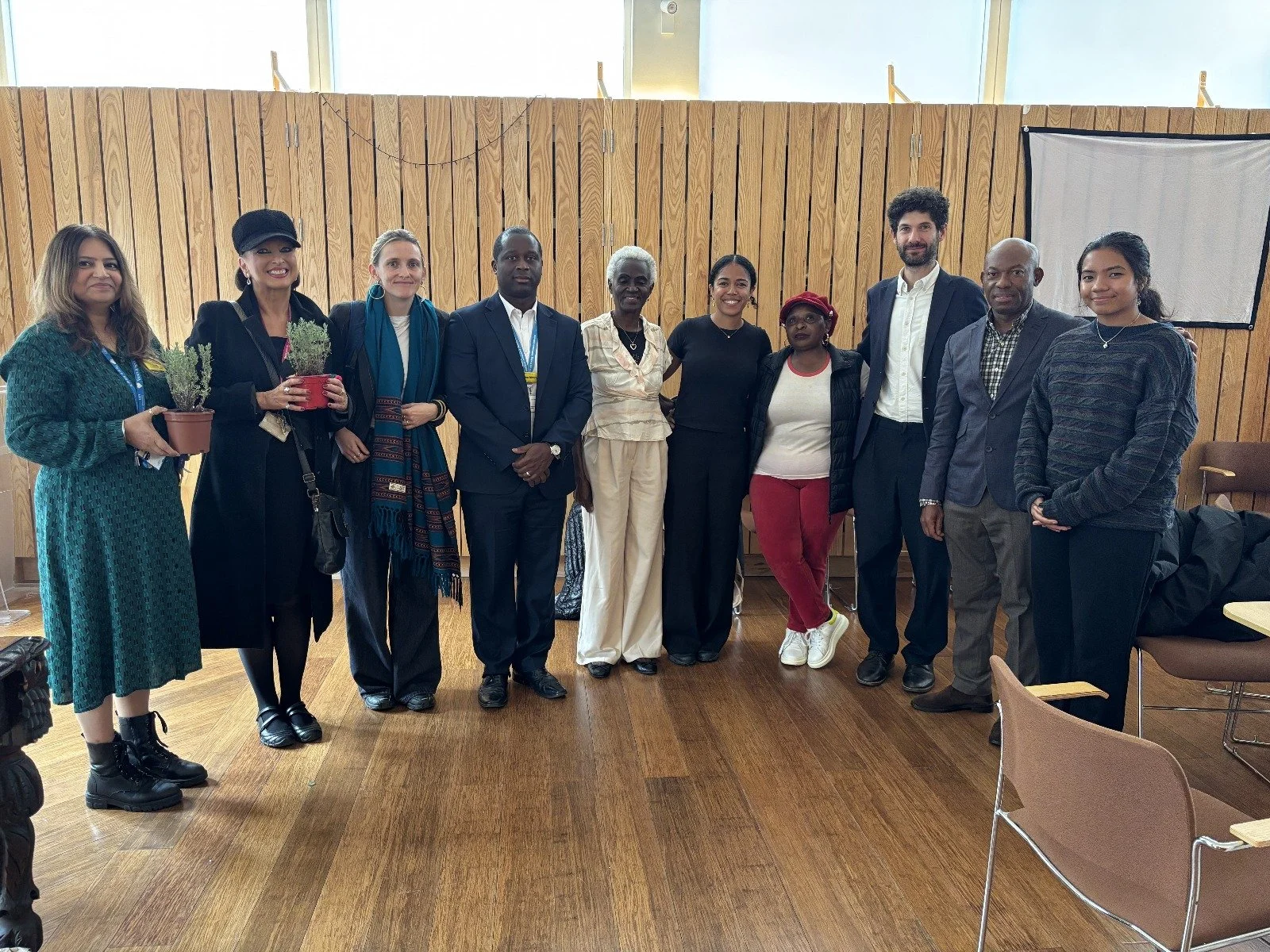
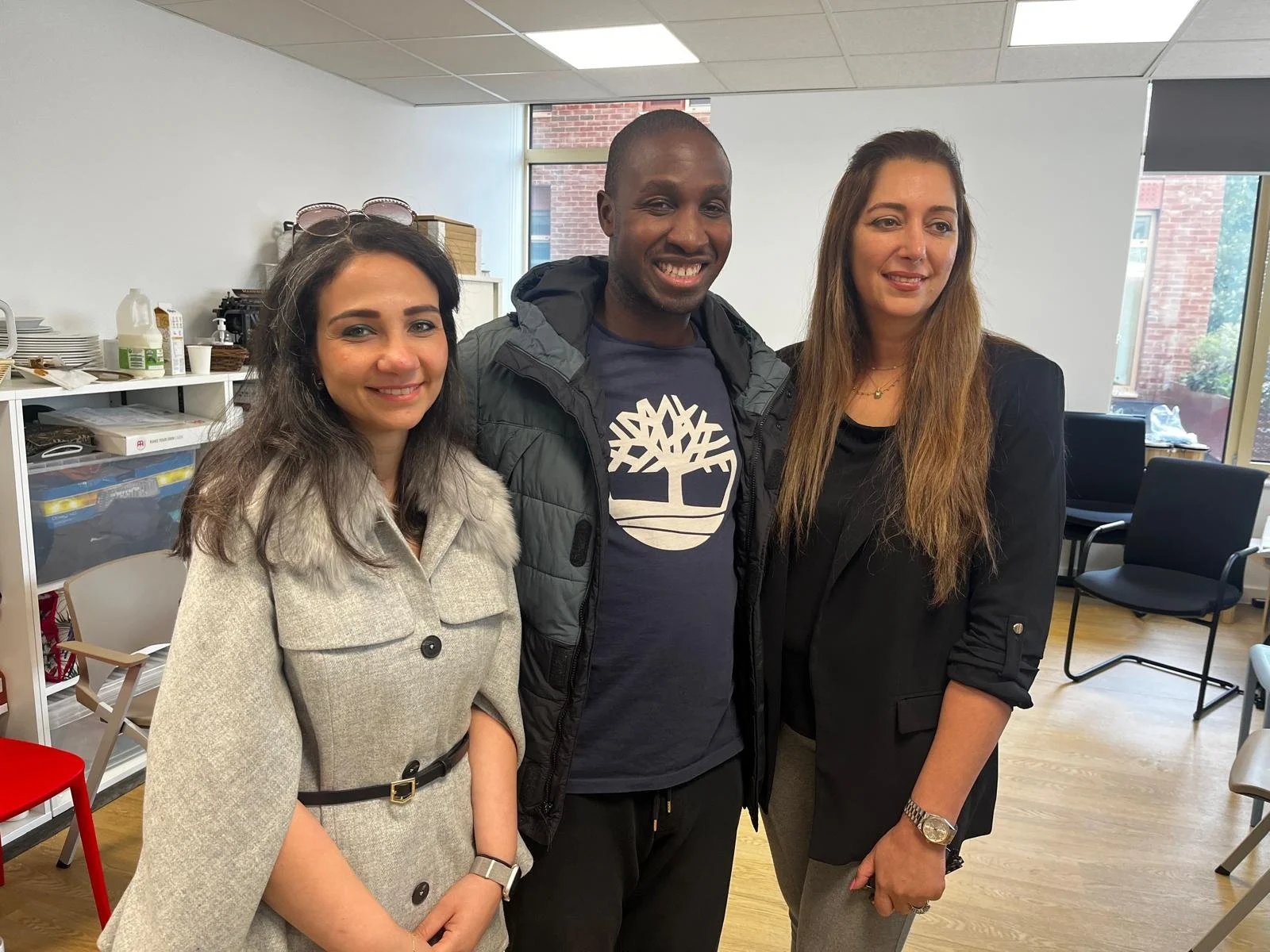
The work closely aligns with wider South London Listens’ priorities. These emphasise that prevention requires tackling the social causes of poor mental health, such as insecure housing, low income and isolation — as well as improving access to care. The CEP model does both. It ensures people receive early help before crisis point, while also connecting them with support for housing, legal advice and benefits through LRMN’s existing services. This joined-up, relationship‑based approach reflects South London Listen’s broader vision: a mental health system redesigned around the needs of communities, with services working side‑by‑side with the voluntary sector and local people
Looking ahead, there is strong enthusiasm for expanding the model. Community partners in other boroughs have expressed interest in hosting practitioners, and NHS partners are exploring how CEP roles could be replicated within other Trusts. The pilot has also informed ongoing research, including a Wellcome‑funded PhD examining inequalities in access to mental health care for people with lived experience of forced migration.
The CEP pilot shows what is possible when communities and the NHS work together with shared purpose. By embedding skilled clinicians within trusted local organisations, South London Listens has helped people who were previously unseen or unsupported to get the right care, at the right time, in the right place.

In response, South London Listens worked with Citizens UK, community groups and SLaM to design a new approach: bring the NHS to the community rather than expecting people to navigate the system alone. The aim is simple but transformational: to make mental health support easier to access, more human, and rooted in real relationships.
The pilot began with a part‑time practitioner working across Lewisham, Southwark and Lambeth. In 2025, this became a full‑time embedded role, hosted by Lewisham Refugee and Migrant Network (LRMN), an established charity supporting people facing immigration difficulties, homelessness, exploitation and trauma. Working inside LRMN allows the CEP to build trust quickly, meet people in a familiar environment, and provide care in ways that feel culturally sensitive, flexible and empowering.
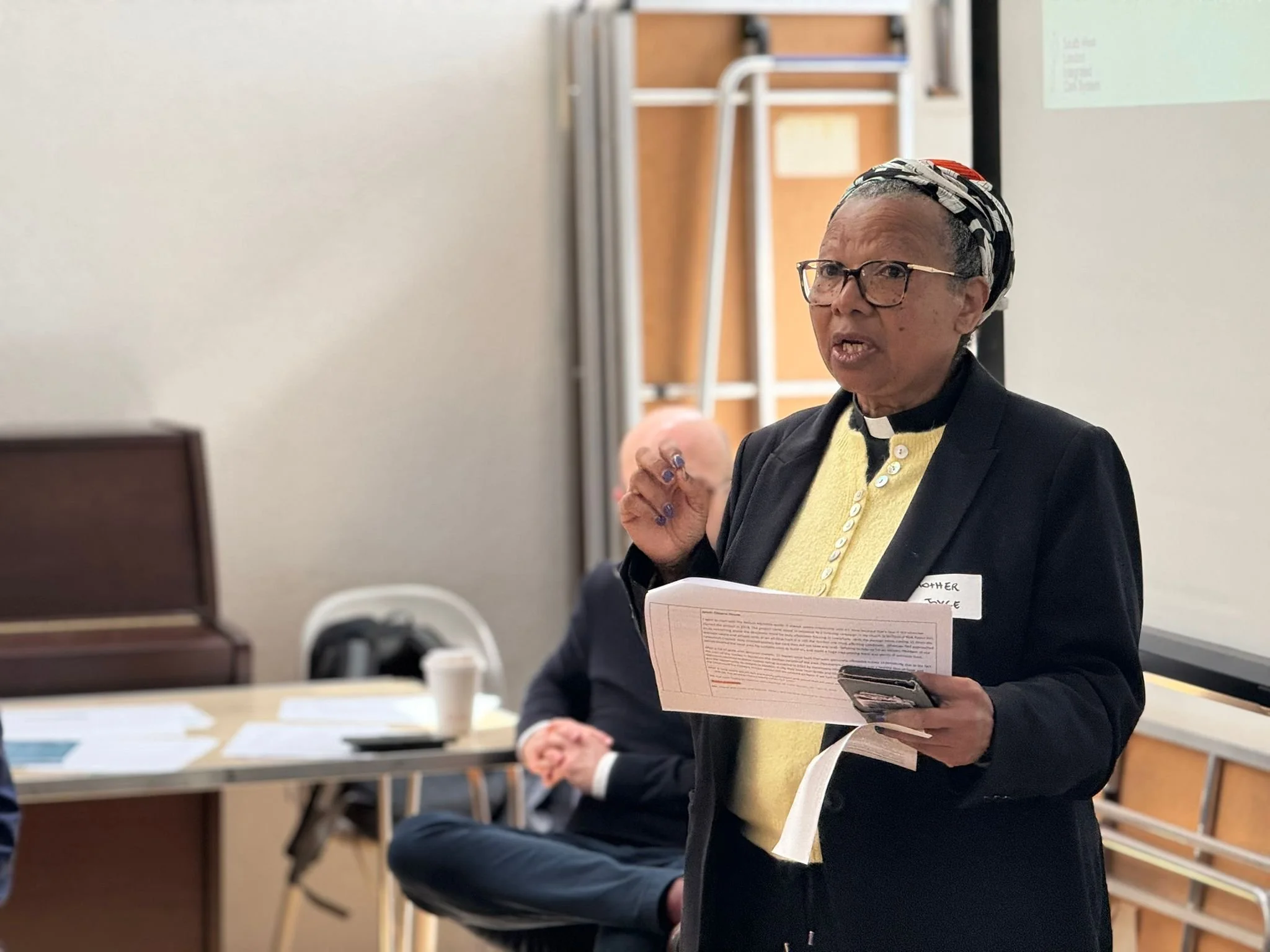
Strengthening Compassionate Approaches to Migrant Charging
We continued to champion better access to healthcare for migrant communities across South London. A key milestone was a roundtable on migrant charging held in September, bringing together leaders from the area’s acute trusts and key community organisations to focus on strengthening compassionate charging practices in maternity care.
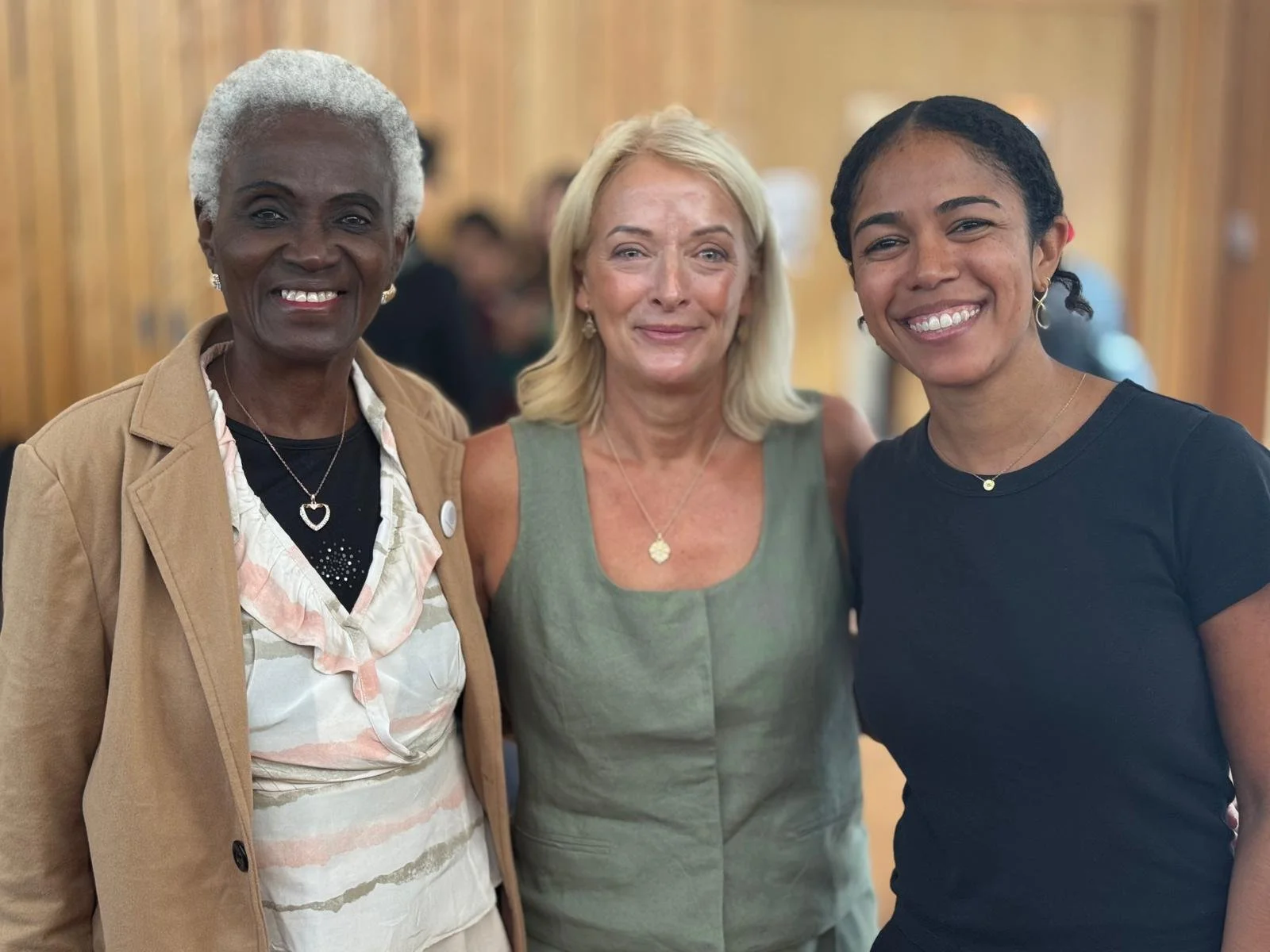
The roundtable created a shared space for trusts and community partners to explore how they can work together more effectively to better support patients at risk of destitution. Discussions focused on:
Improving consistency across trusts, including opportunities to align assessment processes and documentation requirements for compassionate charging.
Enhancing the role of local support organisations, particularly in identifying patients at risk of destitution and providing trusted statements verifying destitution.
Strengthening communication channels between hospitals and community partners to ensure earlier identification of vulnerability and more effective signposting to support.
These conversations laid important foundations for more consistent and humane approaches to charging across the region.
At the South London Listens Citizens’ Health Assembly, NHS partners made several important new commitments. These, included the creation of a new partnership to support pregnant migrant women who are at risk of destitution. This commitment reinforces the need for coordinated, system-wide action to ensure vulnerable women can access safe, compassionate maternity care without fear or financial hardship.
The assembly also reaffirmed the value of working side by side with communities and highlighted the growing movement to place health equity and community organising at the centre of regional priorities. These commitments directly complement the work initiated through our migrant charging roundtable, strengthening the foundations for a more joined‑up and compassionate approach across South London.
Looking ahead
In 2026–2027, South London Listens will focus on:
Expanding the Community Embedded Practitioner model and building the evidence base through research and evaluation, strengthening partnerships in Lewisham to increase reach and awareness, and working across South London to scale the model
Improving access to care by taking forward priorities from the Accessible Services work and embedding culturally responsive, trauma‑informed practice
Advancing compassionate approaches to migrant charging by supporting more consistent, joined‑up and humane processes, particularly for those at risk of destitution.
Why this matters
This work directly improves access to care for communities who often experience barriers to NHS services, helping people receive support earlier and creating more inclusive care pathways.